











Sourcing scarves from Turkey: what to know
Reviewed guide · updated 16 Sept 2026The SupplySpark directory lists 87 scarf manufacturers in Turkey, 53 percent of them backed by independent evidence such as registry filings, customs records or verified reviews, and 63 of them based in Istanbul. This guide covers where production sits, the constructions and materials you will be quoted, realistic minimums and lead times, the certifications that matter for a product worn against the skin, and how to vet a factory before paying a deposit.
Where scarf production is concentrated
Istanbul holds 63 of the 87 listings, which reflects its role as the export and finishing hub rather than the only place fabric is made. In our experience the woven fabric behind most Turkish scarves comes from mills in Bursa and Denizli, while Istanbul houses the converters, printers and hemming units. The listings break down into 48 manufacturers, 19 manufacturer and trader hybrids, 6 traders and 3 brands. Scarves are frequently a category extension for a larger textile business, and several representative suppliers on the page list T-shirts, denim or knitwear as their core products, so ask early whether scarves are a primary line and whether the work is done in-house.
Constructions and materials you will be quoted
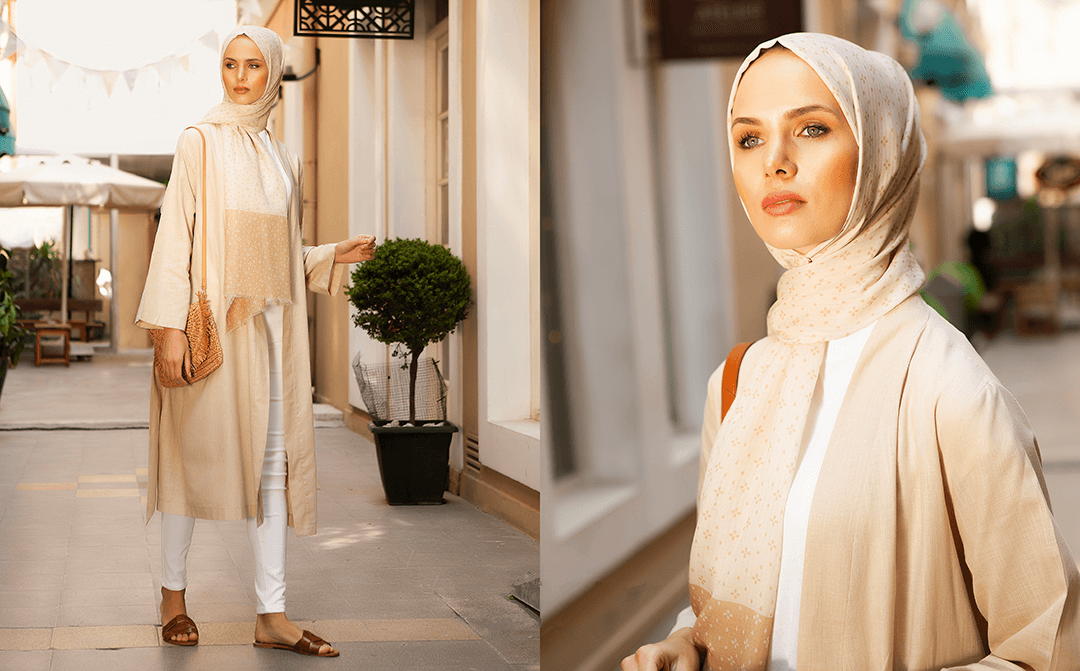
Turkish suppliers typically work across three constructions. Woven scarves in viscose, modal, cotton voile and silk blends are the volume product, finished with rolled, machine or fringed edges. Printed scarves are typically digitally printed at low volume and rotary screen printed above a few thousand units, and the method changes both cost and minimums. Knitted scarves in wool, acrylic and cashmere blends come from the knitwear side of the industry, where yarn and gauge drive the quote. Specify fabric weight in grams per square meter, fiber content by percentage and the hem method, because a hand-rolled hem and a machine hem differ materially in unit price.
MOQ and lead time realities
Only 24 of the 87 suppliers publish a minimum, and most of those sit at 200 units or fewer: 9 accept 50 units or fewer, 10 sit between 51 and 200, 4 between 201 and 500 and 1 between 501 and 1,000. Published figures are usually per style, so confirm whether the minimum can be split across prints and colorways. In our experience sampling takes two to three weeks for a printed design and bulk runs four to eight weeks after approval, with digital print orders at the faster end. Sampling is a formal service at 35 of the listed suppliers and custom design at 51, which helps brands without an in-house print designer.
Certifications and what they actually cover
GOTS is held by 15 suppliers, OEKO-TEX Standard 100 by 10, Global Recycled Standard by 9, Recycled Claim Standard and Organic Content Standard by 7 each, ISO 9001 by 7 and Sedex SMETA by 6. GOTS covers organic cotton content only and will not apply to a viscose or silk scarf, so read the scope certificate rather than the logo. OEKO-TEX Standard 100 is the most relevant credential for an article worn against the neck and face because it tests the finished product for harmful substances. For recycled fiber claims under GRS or RCS, request a transaction certificate for your specific shipment as a condition of final payment.
Cost drivers, vetting and shipping to Europe
Unit price typically moves with fabric weight and fiber, print method and color count, edge finishing and packaging. Private label is offered by 65 suppliers and OEM by 46, so most will work from your tech pack. Because 47 percent of listings lack independent evidence, ask for a trade registry number, a recent export record or a customer reference in your market before sending a deposit. Under the EU and Turkey customs union, goods of Turkish origin typically enter the EU duty free with an A.TR movement certificate, and road freight to Central Europe usually takes three to seven days. Agree the Incoterm, inspection point and tolerances on dimensions and shade in writing before confirming.
Questions to ask before you sample
- Are scarves a primary product line for you, and are weaving, printing and hemming done in-house or subcontracted?
- What is the exact fiber content and fabric weight in grams per square meter, and can you provide a test report?
- Is your published MOQ per style or per print, and what is the minimum per color?
- Which print method will you use at my quantity, and how many colors does the quote include?
- Can you provide a GOTS, OEKO-TEX or GRS scope certificate and a transaction certificate for my shipment?
- What are your sampling and bulk lead times after approval, and what is the tolerance on dimensions and shade?
- Can you share a trade registry number and a recent export reference to a European customer?